Menstruation and the singing voice

Updated: Jul 20
What happens to our voice during our monthly cycle, and how can we keep singing smoothly through hormonal changes?
Have you ever noticed that your voice sounds different around ‘that time of the month’? Or does singing become more difficult during your period? If so, then you’re not alone. In fact, it’s rumoured that in the past European opera houses would offer their singers ‘grace days’ during their period, where they could take time off – unfortunately this isn’t something offered to singers today!
There are receptors for sex hormones within our vocal apparatus so it’s natural we’d notice vocal change throughout the menstrual cycle. Studies of cells taken from the cervix and the larynx show that they are incredibly similar – scientists viewing them side by side were surprised to have real difficulty telling the two apart!
What happens during our cycle?
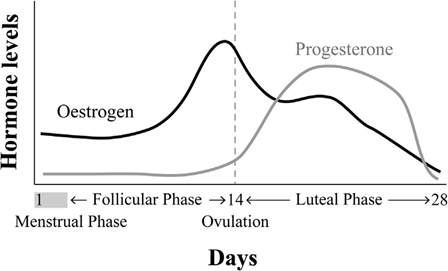
An average monthly cycle takes around 28 days (though in reality can last between 21 – 35 days and begins when the uterus sheds its lining and we begin to bleed. This is our menstrual phase and lasts an average of 3 – 7 days. Following this, during the follicular phase oestrogen levels build gradually and are dominant until ovulation happens around the mid-point of the cycle, after which during the luteal phase progesterone levels begin to build and oestrogen levels tail off. Then we arrive back at the menstrual phase and it all begins again!
So what does this mean for our voice?
The most noticeable area of change is in the mucous membrane that covers our vocal folds. Ideally this will remain in good condition and allow the vocal folds to move and stretch easily as we make sound and change pitch. As oestrogen levels build during the follicular phase, the mucosal layer increases in size. The vocal folds move easily, are supple and vocal quality improves. This reduces the effort you make to sing.
Conversely, in the luteal phase progesterone levels climb, reducing the thickness of the mucosal layer resulting in a poorer vocal quality. This increases the effort needed for the vocal folds to vibrate.
When are the best/worst times for us as singer?
Generally speaking, singers tend to notice their voice feels and functions best during their follicular phase and around ovulation. You might then notice that during your luteal phase and in particular in the lead up to your period starting it feels more effortful to sing, or that your voice is less flexible, turns a little raspy, and tires more easily.
Some singers struggle more than others in the lead up to menstruation and suffer from Premenstrual Voice Syndrome. This is a recognised condition, and singers experiencing this might notice vocal fatigue, a decreased range, a loss of power and/or oedema (swelling) in their vocal folds leading to less flexibility in the voice.
Is it all in the larynx?
In addition to voice-specific concerns, we also know that as singers, our body is our instrument. Our general fitness and wellbeing will affect the sound that we make. Many singers notice that menstrual cramps, tiredness, and other bodily symptoms that arrive around the time of their period affects their ability to sing and support their voice.
So what can we do?
Well firstly it’s best to get to know your own voice and cycle. If you already use a period tracking app, add vocal quality and issues to the list of tracked symptoms across the month. Review your notes every few months to look out for any symptoms or patterns that tie in with your cycle.
Once you get to know your vocal cycle, this will allow you to prepare in advance and schedule in extra rest time on days when you’re likely to find singing more effortful, or schedule extra rehearsal time or more taxing repertoire for days when your voice is likely to feel more ready for it.
You might also want to schedule reminders to make sure that you’re hydrating regularly, particularly during your luteal phase when your voice could feel less flexible and dryer. Remember that drinking water is important, but make sure you do this regularly and in advance as it will take time for hydration to reach your vocal folds through your system – it’s not a topical treatment!
Finally, if you’re experiencing any troubling symptoms, consulting your GP is always a good idea. Research has shown that taking the contraceptive pill can help offer some stability to the voice. Only your doctor however can advise you on if and how to proceed with any treatment.
Plan ahead!
Our voices are susceptible to many changes across the menstrual cycle, but armed with some knowledge about what to expect, we can begin to get to know our own bodies, cycles, and voices better. Planning ahead for hormonal shifts can be the key to working with change, instead of against it.
For more information or to meet Kathleen for a lesson or consultation, take a look at the services offered using the menu at the top of this page, and get in touch HERE.


